
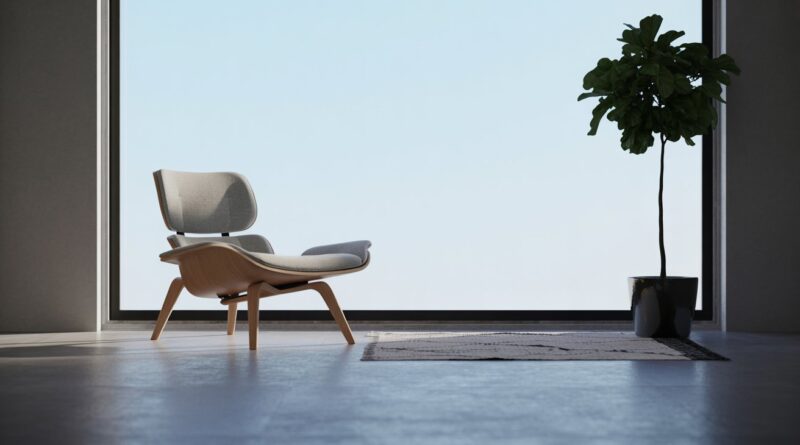
The Power of Silence and Space in a Minimalist Home
In the quiet moments, we find clarity. In empty spaces, we breathe deeper. A minimalist home isn’t just about having fewer things—it’s about creating an environment that supports peace, presence, and intentional living. Silence and space are two of the most underrated design features, yet they have the greatest impact on how we feel in our own homes.
Here’s how to embrace the power of silence and space to make your home a true sanctuary.
1. Why Silence and Space Matter
In a noisy, fast-paced world, your home should offer the opposite. Silence and space:
- Reduce mental clutter
- Encourage mindfulness and focus
- Soothe anxiety and overstimulation
- Foster creativity and rest
- Create an atmosphere of calm
Minimalist design helps make these qualities a natural part of your environment.
2. Embrace Empty Spaces
Empty doesn’t mean unfinished. It means intentional. Give your home space to breathe by:
- Leaving walls or shelves bare
- Avoiding over-decorating
- Letting furniture “float” with breathing room around it
- Keeping walkways and sightlines open
Open space gives the eye—and the mind—a place to rest.
3. Choose Quiet Materials and Colors
Your home’s materials and color palette influence its energy. For a quieter feel:
- Use soft textures like cotton, linen, and wool
- Choose muted or neutral tones like white, beige, gray, and soft pastels
- Avoid loud prints or harsh contrasts
- Use wood and natural elements to ground the space
Visual quiet supports mental peace.
4. Reduce Noise Pollution
Silence is sacred. To create a quieter home:
- Use rugs, curtains, and cushions to absorb sound
- Choose quieter appliances or soft-close drawers
- Limit TVs or loud electronics in common areas
- Designate noise-free zones (like reading corners or meditation spaces)
Noise affects your nervous system more than you think.
5. Let Natural Light Be the Main Feature
Natural light brings calm and openness to a room. Maximize it by:
- Keeping windows clear of heavy drapes or clutter
- Using sheer curtains or light blinds
- Placing mirrors to reflect light
- Choosing light colors on walls and furniture
Light enhances both space and silence.
6. Design for Flow, Not Just Function
A minimalist home flows easily—nothing blocks your movement or your energy. To achieve this:
- Arrange furniture to guide movement naturally
- Keep walkways clear
- Group objects in odd numbers with space around them
- Avoid “stuffing” storage spaces to the brim
When your home flows, your life flows.
7. Keep Surfaces Clear
Countertops, tables, and nightstands are prime clutter zones. Keep only:
- One or two decorative or functional items
- A lamp, book, or small tray
- Things that serve a purpose or spark peace
Clear surfaces reflect a clear mind.
8. Practice Sound Mindfulness
Silence isn’t just the absence of noise—it’s the presence of awareness. Incorporate mindful silence by:
- Turning off background TV or music for certain hours
- Practicing stillness during meals or chores
- Meditating or journaling in a quiet space
- Listening to the natural sounds around you
You’ll be surprised how restorative silence can be.
Final Thoughts: Let Your Home Breathe
Minimalism isn’t just visual—it’s visceral. When you design with silence and space in mind, you create a home that restores you instead of overstimulating you. Every quiet corner, every bit of openness is an invitation to slow down and come back to yourself.
Make room. Find stillness. And discover the powerful beauty of less.