
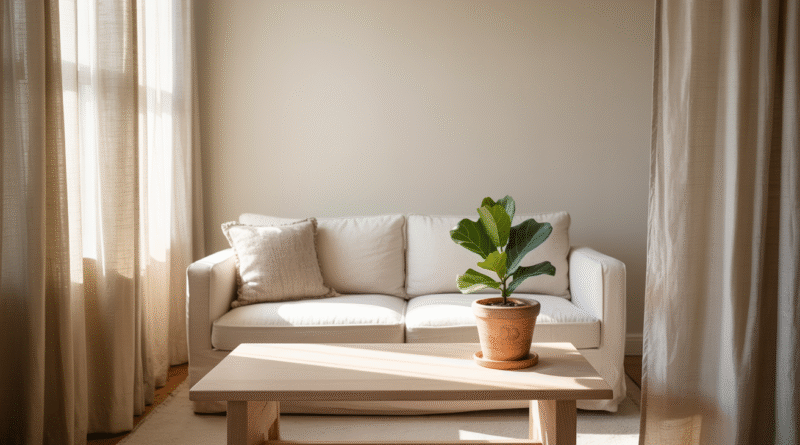
How to Start a Minimalist Life from Scratch
Living a minimalist lifestyle isn’t just about having fewer things—it’s about creating more space, time, and clarity in your life. Whether you’re overwhelmed by clutter or simply crave a more intentional way of living, minimalism offers a powerful solution. This guide will help you start a minimalist life from scratch, even if you’ve never considered it before.
What Is Minimalism?
Minimalism is a lifestyle that encourages intentional living by focusing on what truly matters. It involves reducing physical, digital, and mental clutter to make room for experiences, relationships, and peace of mind. Unlike what some might think, minimalism is not about deprivation—it’s about freedom.
Why Choose Minimalism?
People are drawn to minimalism for many reasons:
- Reduced stress from a clutter-free environment
- More time and energy for what truly matters
- Improved focus and mental clarity
- Financial freedom through conscious spending
- A more sustainable lifestyle
Starting minimalism can feel overwhelming, but with the right approach, anyone can transition smoothly.
Step 1: Define Your “Why”
Before decluttering, get clear on your motivation. Ask yourself:
- What do I hope to gain from a minimalist lifestyle?
- What parts of my life feel too chaotic or overwhelming?
- What values do I want my life to reflect?
Write your answers down. This clarity will help guide you when decisions get tough.
Step 2: Start with One Area
Instead of overhauling your entire life at once, choose one area to begin. Common starting points include:
- Clothes: Create a capsule wardrobe or donate rarely worn items.
- Kitchen: Eliminate duplicates and items you never use.
- Digital space: Clean up your inbox or remove unnecessary apps.
- Schedule: Cut out activities that drain your energy.
The goal is progress, not perfection.
Step 3: Declutter Intentionally
Use a simple method for decluttering:
- Take everything out.
- Examine each item.
- Ask: Do I use this? Do I love it? Does it serve a purpose?
- Donate, sell, or recycle anything that doesn’t align with your values.
Be honest. Letting go of the unnecessary is essential to making room for what matters.
Step 4: Simplify Your Commitments
Minimalism isn’t just physical—it’s also mental and emotional. Review your calendar and obligations. Are there tasks, meetings, or relationships that feel more draining than fulfilling?
Say “no” to new commitments that don’t align with your goals. Give yourself permission to create boundaries and prioritize your well-being.
Step 5: Embrace Digital Minimalism
Our digital lives are often cluttered with notifications, apps, emails, and constant distractions. Start simplifying by:
- Unsubscribing from email lists you never read
- Turning off non-essential notifications
- Deleting unused apps and organizing your phone
- Scheduling time away from screens to be present
Digital clutter can be just as stressful as physical clutter.
Step 6: Be Mindful of New Additions
A key part of maintaining a minimalist lifestyle is being intentional about what you allow into your life. Before buying or committing to something new, ask:
- Do I truly need this?
- Does this add value to my life?
- Am I buying this out of habit or emotion?
This practice helps prevent clutter from creeping back in.
Step 7: Focus on Quality Over Quantity
Minimalism isn’t about having nothing—it’s about having the right things. Choose items that are high-quality, multifunctional, and built to last. This applies to everything from furniture to friendships.
Fewer, better things lead to less stress and more satisfaction.
Step 8: Celebrate the Non-Material
Minimalism encourages you to find joy beyond possessions. Instead of shopping or consuming, invest time in:
- Nature walks
- Deep conversations
- Creative hobbies
- Learning new skills
- Rest and self-care
These experiences nourish your soul and don’t take up space.
Step 9: Practice Gratitude Daily
Gratitude is the foundation of a minimalist mindset. It shifts your focus from what you lack to what you already have. Start a daily practice by writing down three things you’re grateful for each morning or evening.
This habit reinforces contentment and reduces the urge to constantly seek more.
Step 10: Keep Evolving
Minimalism is not a destination—it’s a continuous journey. Your needs and values will evolve over time. Revisit your “why” regularly, and don’t be afraid to adjust your habits as your life changes.
Stay curious, stay honest, and keep simplifying.
Final Thoughts: A Fresh Start with Less
Starting a minimalist life from scratch is one of the most empowering changes you can make. It’s not about living with nothing—it’s about making space for everything that truly matters. You’ll find that by removing the excess, you create room for peace, freedom, and purpose.