
How to Help Children Embrace a Minimalist Lifestyle
Minimalism with children might sound impossible—but it’s not. While kids are naturally curious and energetic, they’re also surprisingly open to simplicity when it’s presented in the right way. Teaching children to value experiences over things, appreciate space and calm, and take care of what they have can shape lifelong habits of intentional living.
Here’s how to introduce a minimalist mindset to your kids without taking the joy out of childhood.
1. Lead by Example
Children learn by watching. If they see you:
- Decluttering your own things
- Shopping mindfully
- Valuing calm over chaos
- Saying no to unnecessary stuff
—they’ll begin to understand minimalism not as a rule, but as a way of life.
2. Focus on Quality Over Quantity
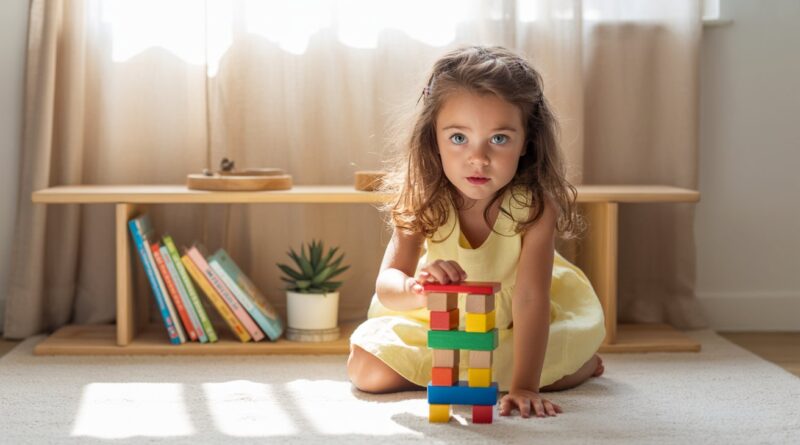
Kids don’t need dozens of toys—they need a few that spark creativity and joy. Choose:
- Open-ended toys (blocks, art supplies, pretend play sets)
- Durable and non-flashy items
- Toys made from natural materials when possible
Fewer, better items encourage longer attention spans and deeper engagement.
3. Declutter Together
Make decluttering a fun and collaborative activity:
- Turn it into a game: “Can we find 10 things to give away today?”
- Ask, “Do you still play with this? Would someone else enjoy it more?”
- Create a “donation box” where they can place things they no longer want
This builds empathy and ownership over their space.
4. Create Toy Rotations
If you want to keep a variety of toys without overwhelming your child:
- Store some toys out of sight
- Rotate them every few weeks
- Keep only a few options available at a time
This keeps the space tidy and renews interest in forgotten items.
5. Celebrate Experiences, Not Just Gifts
Help your kids associate happiness with memories, not material items. Offer:
- Trips to the park or beach
- Special one-on-one outings
- Art or cooking sessions at home
- Personalized experiences for birthdays and holidays
Minimalism doesn’t mean less joy—it means more meaningful joy.
6. Teach Gratitude Early
Minimalism and gratitude go hand in hand. Start simple practices like:
- Naming 3 things they’re thankful for each night
- Writing thank-you notes together
- Talking about the value of what they have
Gratitude reduces the urge to constantly want more.
7. Design Calm, Functional Spaces
Children benefit from simplicity in their surroundings too:
- Use low, open shelves for easy access
- Keep toys and clothes organized with bins or baskets
- Choose calming colors and limit visual clutter in their room
A well-designed space encourages independence and peace.
8. Limit Screen and Ad Exposure
Commercials and influencers fuel the desire for “more.” Limit exposure to:
- Advertisements and sponsored content
- Constant product-based media
- Shopping as entertainment
Instead, encourage hobbies, reading, or time in nature.
9. Be Flexible and Gentle
Minimalism with children should never feel like punishment. It’s okay to:
- Keep a few sentimental toys or messy art supplies
- Let them make choices about their space
- Go slowly and adapt as they grow
Balance is key—simplicity should feel empowering, not restrictive.
Final Thoughts: Raising Mindful, Intentional Kids
Helping your child embrace minimalism is a gift. You’re not depriving them—you’re teaching them to appreciate what matters, live with purpose, and find happiness in simple things. These lessons will shape how they see the world for years to come.
Less clutter. More calm. And a childhood full of meaning—not just stuff.