
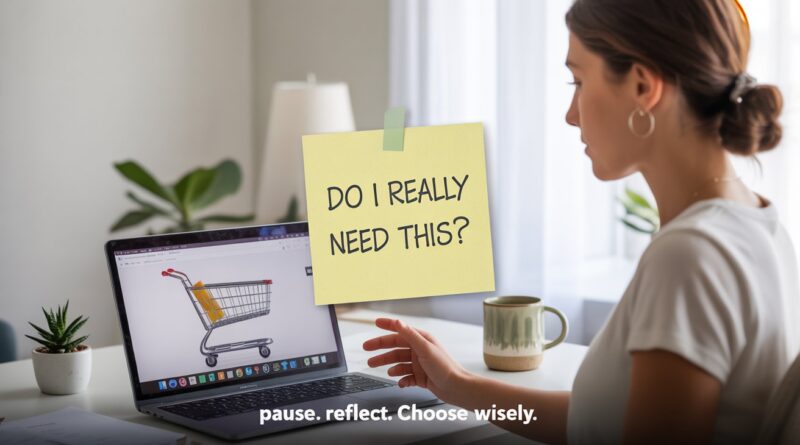
How to Curb Impulse Buying with a Minimalist Mindset
Impulse buying is one of the most common habits that fuels clutter, financial stress, and regret. In a world of one-click purchases and constant advertising, resisting the urge to buy can feel like swimming against the current. But minimalism offers a powerful antidote: intention. By aligning your spending with your values and needs, you can break the cycle and gain control over your consumption.
Here’s how to use a minimalist mindset to stop impulse buying and make more thoughtful financial choices.
1. Understand Why You Buy on Impulse
Impulse purchases are often emotional, not logical. Common triggers include:
- Boredom or restlessness
- Stress or anxiety
- Sales or limited-time offers
- Social media influence
- A desire for quick gratification
Recognizing your triggers is the first step in breaking the habit.
2. Create a Purchase Pause Rule
Introduce a delay between want and action. Try the:
- 24-hour rule: Wait a day before buying
- 30-day list: Add non-essential items to a wish list and review after a month
- “Will I regret this?” test: Ask yourself how you’ll feel about the item in a week or month
Most impulses fade once the emotion passes.
3. Unsubscribe and Unfollow
Reduce temptation by decluttering your digital world:
- Unsubscribe from store newsletters
- Unfollow influencers or brands that promote constant buying
- Remove shopping apps from your phone
- Turn off push notifications for sales
Out of sight, out of cart.
4. Set a Clear Budget for Wants
Minimalists don’t deprive themselves—they just spend with intention. Try:
- Setting a monthly “fun budget”
- Using cash or a prepaid card for non-essentials
- Tracking your spending to stay aware of patterns
Boundaries help you enjoy spending without going overboard.
5. Identify Your Real Needs
Before buying something, ask:
- Do I already have something that serves this purpose?
- Is this solving a real problem—or just distracting me from one?
- Could I borrow, rent, or find it secondhand?
Often, needs can be met in more mindful ways.
6. Use the “Cost Per Use” Rule
Instead of focusing on price, consider value. Ask:
- How often will I use this?
- Will it last?
- Is it worth the space it will take?
High-quality, well-used items are better investments than cheap, unused ones.
7. Replace Shopping with Fulfillment
Many people shop to feel something—comfort, excitement, control. Redirect those needs by:
- Journaling or going for a walk
- Engaging in a hobby
- Connecting with a friend
- Practicing self-care
Joy doesn’t have to come from a purchase.
8. Reflect on Past Purchases
Look around your home and notice:
- Which impulse buys have added value?
- Which ones are now unused or forgotten?
- What patterns or themes emerge?
Awareness turns into wisdom—and better decisions.
9. Celebrate Saying “No”
Each time you resist a purchase, acknowledge it:
- Remind yourself of what you’re saving for
- Enjoy the space and clarity you’ve protected
- Note how good it feels to choose consciously
Minimalism isn’t about restriction—it’s about empowerment.
Final Thoughts: Less Spending, More Intention
Impulse buying is a habit. So is mindful spending. With a minimalist mindset, you can retrain your brain to seek meaning over materialism, peace over possessions. The result? A life with fewer regrets, more freedom, and deeper alignment with your values.
You already have enough. And that’s more than enough.