
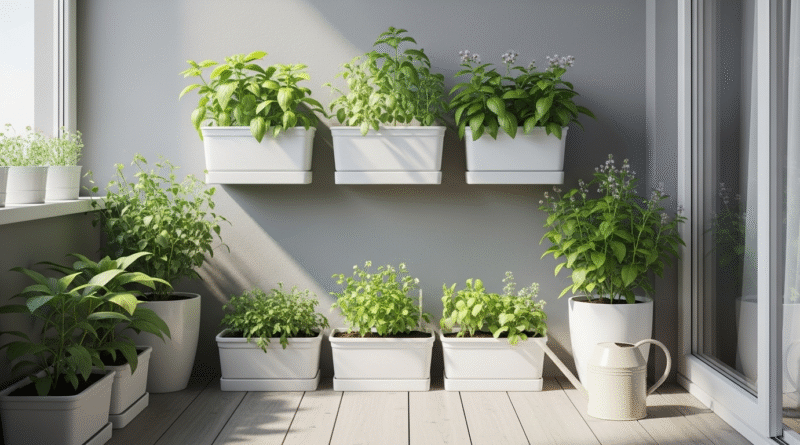
The Joy of Minimalist Gardening: Growing with Less
Gardening is often associated with big yards, rows of tools, and endless supplies. But minimalist gardening proves you don’t need much space—or stuff—to grow something beautiful. With intentionality, simplicity, and care, anyone can experience the joy of nurturing plants, even in the smallest spaces.
Here’s how to embrace minimalist gardening and cultivate peace, purpose, and greenery—without clutter.
1. Redefine Gardening for Simplicity
Minimalist gardening focuses on:
- Function over form
- Beauty in simplicity
- Ease of maintenance
- Growing what you love or use
It’s about connection, not perfection.
2. Start Small and Purposeful
You don’t need a full garden to start. Try:
- A windowsill herb garden
- A few potted vegetables or flowers
- A raised bed or vertical planter
Begin with a handful of plants that bring joy or utility.
3. Choose Plants with Intention
Select plants based on:
- Your climate and sunlight availability
- Your schedule (low-maintenance vs. high-care)
- Your goals: beauty, food, air purification, etc.
Minimalist gardening means growing what truly fits your life.
4. Use Minimal Tools and Supplies
You don’t need a shed full of tools. Essentials include:
- A hand trowel
- Pruning shears
- Watering can or hose
- Compost or organic soil
Borrow or share tools instead of buying everything new.
5. Keep Containers and Beds Simple
Avoid overcrowding and chaos. Instead:
- Use neutral, uniform pots or recycled containers
- Avoid unnecessary garden decor
- Leave space between plants for airflow and ease of care
Clean design = calm gardening experience.
6. Compost and Reuse Naturally
Minimalism encourages sustainability:
- Use food scraps for compost
- Repurpose containers, crates, or buckets
- Save seeds from previous crops
You reduce waste while nourishing the earth.
7. Maintain a Routine, Not a Burden
Keep it joyful, not overwhelming:
- Water consistently (but not excessively)
- Trim and harvest regularly
- Observe and connect with your plants
Let gardening become a grounding daily ritual.
8. Focus on the Sensory and Emotional Benefits
Minimalist gardening offers:
- A break from screens and noise
- Connection to nature and seasons
- The satisfaction of watching something grow
- A calming, meditative activity
Even five minutes a day can restore balance.
9. Celebrate Progress, Not Perfection
Plants die. Leaves yellow. Not every seed sprouts. That’s okay.
- Learn through simplicity
- Embrace the imperfection
- Appreciate the process
Minimalist gardening is about growth, not results.
Final Thoughts: Let It Grow, Simply
Minimalist gardening reconnects you to nature with less pressure and more presence. Whether on a balcony, windowsill, or tiny yard, your green space can thrive with a little care and a lot of heart.
Grow what matters. Trim what doesn’t. And let nature do the rest.