
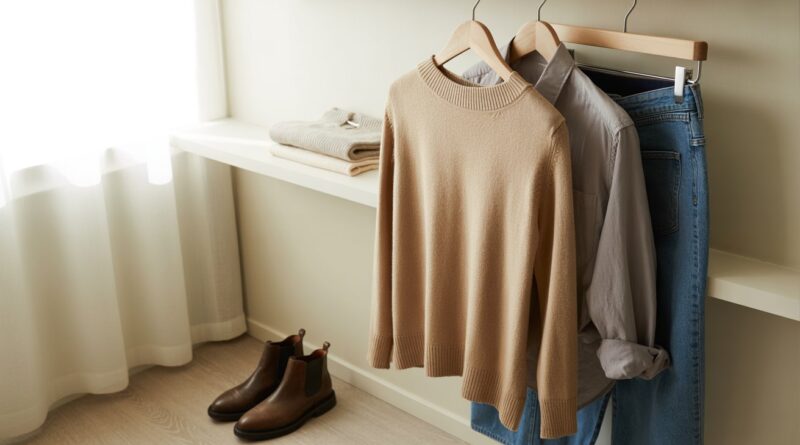
How to Transition to a Minimalist Wardrobe
A cluttered wardrobe can lead to stress, wasted time, and the constant feeling of having “nothing to wear.” A minimalist wardrobe offers a solution: fewer clothes, more clarity. By curating a collection of versatile, high-quality pieces that reflect your lifestyle and style, you can simplify your mornings and feel good in everything you wear.
Here’s a step-by-step guide to transitioning to a minimalist wardrobe—without losing your personal style.
1. Define Your Style and Needs
Before decluttering, reflect on:
- What colors you love to wear
- Which cuts and fabrics suit your body and comfort
- Your daily lifestyle (work, casual, exercise, events)
- How you want to feel in your clothes
A minimalist wardrobe should be personal, practical, and purposeful.
2. Pull Everything Out
Yes—everything. Lay out all your clothing so you can:
- See how much you really own
- Identify duplicates or forgotten items
- Notice your buying patterns
It’s eye-opening and necessary for a true reset.
3. Sort into Clear Categories
As you go through each piece, sort it into:
- Keep: You love it, wear it often, and it fits well
- Maybe: You’re unsure—set it aside for review later
- Donate/Sell: It no longer serves you
- Recycle: It’s damaged beyond repair
Be honest with yourself. If it doesn’t make you feel confident, let it go.
4. Build a Capsule Wardrobe
A capsule wardrobe is a small collection of clothing that can be mixed and matched easily. Focus on:
- Neutral colors with a few accent tones
- Tops and bottoms that work in multiple combinations
- Layers for versatility
- A balance of basics and a few statement pieces
Aim for 30–50 items, including shoes and outerwear.
5. Focus on Quality Over Quantity
It’s better to have 3 well-made shirts you love than 15 cheap ones you ignore. Look for:
- Natural fabrics like cotton, linen, wool
- Tailored fits that flatter your body
- Pieces that can transition across seasons
Invest in timeless staples rather than trendy one-offs.
6. Organize for Visibility and Ease
Once you’ve pared down, organize your wardrobe for daily ease:
- Hang the most-used items at eye level
- Fold and stack by category
- Use matching hangers for visual calm
- Store off-season items elsewhere
A tidy wardrobe makes choosing outfits joyful and fast.
7. Set Shopping Boundaries
Minimalism isn’t just about decluttering—it’s about mindful consumption going forward. To avoid relapse:
- Follow a “one in, one out” rule
- Wait 24–48 hours before buying something new
- Shop with a list of gaps to fill, not whims to satisfy
- Avoid fast fashion and impulse buys
Buy less, choose better, and love what you own.
8. Let Go of Guilt and Sentiment
That expensive dress you never wear? The jeans from high school? Let them go. Minimalism is about the present, not the past or future. If it’s not being worn, it’s not serving you.
Final Thoughts: Confidence Through Simplicity
A minimalist wardrobe brings ease, confidence, and freedom. You’ll spend less time deciding, less money shopping, and more time enjoying your life in clothes you truly love.
Fewer options. Better choices. A style that fits your life—not clutters it.