
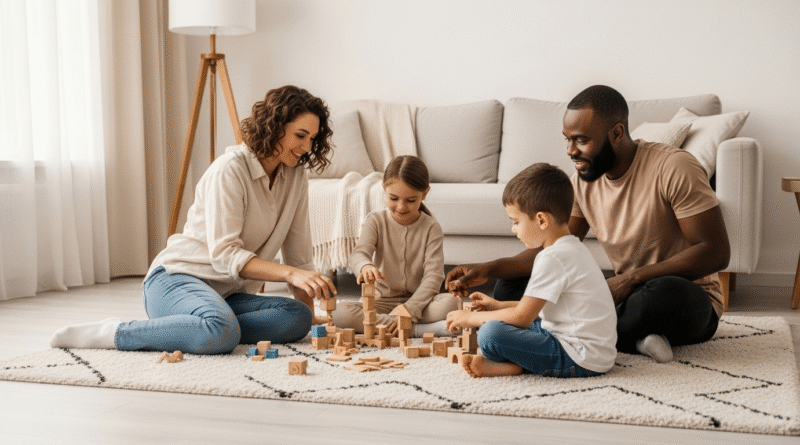
How to Practice Minimalism as a Family
Minimalism often begins as a personal journey, but when shared with your family, it becomes a collective shift toward a more intentional and connected lifestyle. While involving kids, partners, and even extended family in a simpler way of living can be challenging, it’s also incredibly rewarding. A minimalist family focuses less on things and more on time, values, and relationships.
Here’s how to bring your whole family into the minimalist lifestyle—without pressure or pushback.
1. Start with a Shared Vision
Before decluttering the house or enforcing new rules, talk about why minimalism matters to you as a family. Ask:
- What does a peaceful home look like to us?
- What do we want more of—time together, less stress, more space?
- What’s currently making us feel overwhelmed?
A shared purpose builds motivation and unity.
2. Lead by Example
Change begins with you. Rather than forcing minimalism on others:
- Declutter your own belongings first
- Demonstrate mindful shopping habits
- Show the benefits (more free time, calmer spaces, easier routines)
When family members see positive results, they’re more likely to join in.
3. Declutter as a Team
Make organizing and simplifying a group activity:
- Have “family decluttering days” with music and snacks
- Let kids choose which toys or clothes to donate
- Use before-and-after photos to show progress
- Celebrate letting go of what no longer serves you
The goal isn’t perfection—it’s participation.
4. Focus on Experiences Over Things
Replace consumer habits with memory-making moments:
- Plan outdoor adventures
- Cook or craft together
- Have game or movie nights
- Celebrate birthdays with trips, not toys
Kids remember time spent, not things received.
5. Create Shared Systems
Minimalism thrives on structure. Develop routines that support simplicity:
- Morning and evening checklists
- Toy rotation systems
- Simple meal plans
- Family calendars for managing activities
Consistency helps everyone feel more in control and less stressed.
6. Set Clear, Gentle Boundaries
Minimalism with kids doesn’t mean deprivation—it means intention. You can:
- Limit the number of toys per category
- Let them keep sentimental items within reason
- Involve them in decisions about what stays and goes
Respect their attachment to belongings while teaching value and gratitude.
7. Design Minimalist, Family-Friendly Spaces
Create calming and functional spaces the whole family enjoys:
- Open play areas with storage baskets
- Shared reading nooks
- Neutral, soft furnishings that support rest
- Organized entryways to reduce morning chaos
A peaceful environment supports peaceful behavior.
8. Be Flexible and Realistic
Minimalism with a family will look different than it does for a single adult. Expect:
- Temporary messes
- Changing needs as kids grow
- Different comfort levels with “stuff” among family members
Adapt minimalism to fit your stage of life, not the other way around.
9. Teach Gratitude and Mindful Habits
Minimalism is about appreciating what you have. Help your family:
- Keep a gratitude journal
- Talk about why you’re choosing less
- Reflect on how they feel in a decluttered space
- Celebrate moments, not materials
These lessons build emotional intelligence and lifelong habits.
Final Thoughts: Together, Less Is More
Minimalism as a family isn’t about controlling or restricting. It’s about creating a home filled with meaning, not just possessions. When everyone feels heard, involved, and inspired, simplicity becomes a shared strength.
Less stuff. More connection. A family life focused on what really matters.