
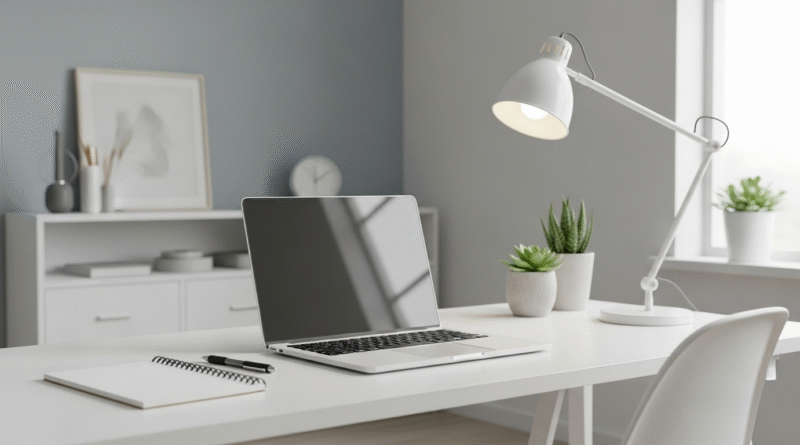
How to Create a Minimalist Workspace for Better Focus
Your workspace is a reflection of your mind—and a cluttered desk often leads to a cluttered head. A minimalist workspace promotes focus, reduces distractions, and makes room for creativity and clarity. Whether you work from home or in an office, simplifying your workspace can significantly improve your productivity and well-being.
Here’s how to design a minimalist workspace that supports deep focus and a calm workflow.
1. Clear Everything Off First
Start fresh. Remove everything from your desk and:
- Wipe down surfaces
- Vacuum or sweep the floor
- Look at the space with fresh eyes
Starting from zero helps you rebuild intentionally.
2. Keep Only Essentials
Ask yourself what you truly need to work effectively. Most minimalist workspaces include:
- A laptop or desktop
- A notebook and a pen
- A lamp or natural light source
- A water bottle or coffee mug
Leave only items that serve a purpose or spark calm.
3. Use Hidden or Simple Storage
Avoid visual clutter by:
- Using drawers, file cabinets, or minimalist desk organizers
- Storing away cables and chargers with cord management tools
- Limiting personal items to 1–2 meaningful objects
Clear surfaces encourage clear thinking.
4. Choose a Calm Color Palette
Neutral tones like white, beige, gray, or soft green create a soothing work environment. Bonus:
- These colors reduce visual fatigue
- They make small spaces feel more open
- They enhance natural light
Your space should feel like a breath of fresh air, not a source of stimulation.
5. Minimize Digital Clutter
Your digital workspace matters too. Apply minimalism by:
- Keeping your desktop free of icons
- Closing unused browser tabs
- Organizing files in labeled folders
- Using minimalist wallpapers or calming visuals
Clean tech = clean focus.
6. Incorporate Natural Elements
Nature calms the nervous system. Try adding:
- A small plant or succulent
- A wooden desk or accessories
- Natural light or soft lighting
Biophilic design supports mental clarity and reduces stress.
7. Set Work/Rest Boundaries
A minimalist workspace also protects your time. To avoid burnout:
- Close your laptop or power down when the workday ends
- Keep work tools out of sight during breaks or off-hours
- Establish a ritual to transition in and out of focus mode
Minimalism isn’t just visual—it’s behavioral.
8. Personalize Intentionally
Minimalist doesn’t mean sterile. Add 1–2 elements that inspire without distracting, such as:
- A framed quote
- A photo of loved ones
- A small object that brings joy
Let your space reflect your values—not your clutter.
Final Thoughts: Focus Starts with Less
A minimalist workspace clears the path for deep work, creative thinking, and a more balanced workday. When your space is free from distractions, your mind can finally focus on what matters.
Design less. Do more. Let your workspace work for you.