
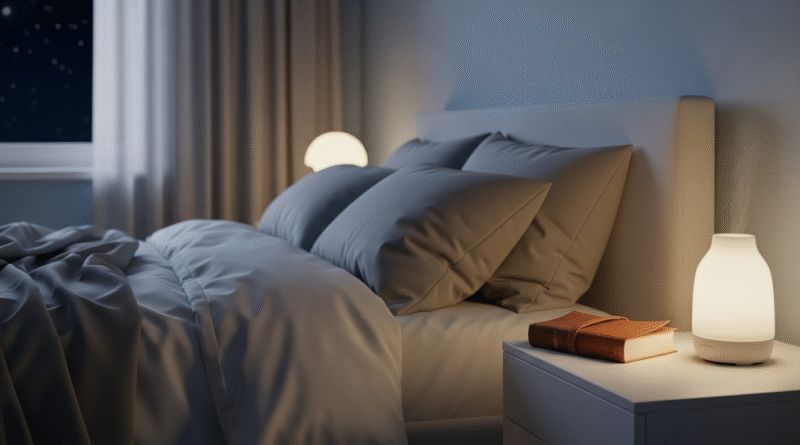
How Minimalism Can Improve Your Sleep Quality
Sleep is one of the most powerful tools for mental clarity, emotional balance, and physical health. Yet, in our fast-paced, overstimulated lives, quality rest can feel elusive. Minimalism offers a practical and peaceful path to better sleep by creating a calm environment and reducing the mental clutter that keeps us awake.
Here’s how simplifying your lifestyle and surroundings can dramatically improve your sleep quality.
1. Declutter Your Bedroom for Calm
Your bedroom should be a sanctuary, not a storage room. Minimalists improve sleep by:
- Removing excess furniture, decor, and electronics
- Keeping nightstands tidy and clear
- Choosing soft, neutral colors for walls and bedding
- Letting go of anything visually or mentally distracting
A serene room signals your brain that it’s time to rest.
2. Create a Technology-Free Zone
Screens before bed interfere with melatonin production and delay sleep. To minimize digital disruption:
- Keep phones and tablets out of the bedroom
- Use an analog alarm clock instead of your phone
- Avoid late-night scrolling or TV
- Dim the lights an hour before bed
Minimalism reduces digital clutter so your mind can power down.
3. Simplify Your Night Routine
A simple, calming evening routine prepares your body for rest. Try:
- A warm shower or bath
- Reading a physical book
- Journaling or gratitude reflection
- Gentle stretching or meditation
Consistency is more powerful than complexity.
4. Choose Comfort Over Excess in Bedding
Minimalists prioritize quality over quantity. For better sleep:
- Invest in a supportive mattress and breathable sheets
- Limit throw pillows or unnecessary blankets
- Wash bedding regularly to keep the space fresh
- Keep a consistent sleep temperature and ventilation
A comfortable bed is the heart of good sleep hygiene.
5. Reduce Evening Decision Fatigue
Too many choices before bed can keep your brain overactive. You can simplify by:
- Prepping tomorrow’s outfit or meals earlier in the evening
- Following the same nighttime checklist daily
- Eliminating late-night productivity or tasks
Minimalism creates a smoother mental transition into rest.
6. Address Emotional Clutter
Unprocessed thoughts and stress often interfere with sleep. Minimalist habits like:
- Journaling
- Saying no to evening obligations
- Reducing mental to-do lists
- Practicing mindfulness
… can ease your mind and prepare it for deeper rest.
7. Design Your Sleep Environment Intentionally
Small minimalist changes can have a big impact:
- Use blackout curtains or a sleep mask
- Keep the room cool and quiet
- Add a diffuser with calming scents like lavender
- Remove anything that doesn’t support sleep
Your space should work with your body’s natural rhythm.
Final Thoughts: Rest More by Living With Less
Minimalism helps you prioritize what matters—and when it comes to health, sleep is essential. By clearing away physical and emotional clutter, you make space for peace, calm, and deeper rest. A simplified space supports a quiet mind—and a quiet mind invites sleep.
Simplify your room. Simplify your routine. Sleep better, naturally.