
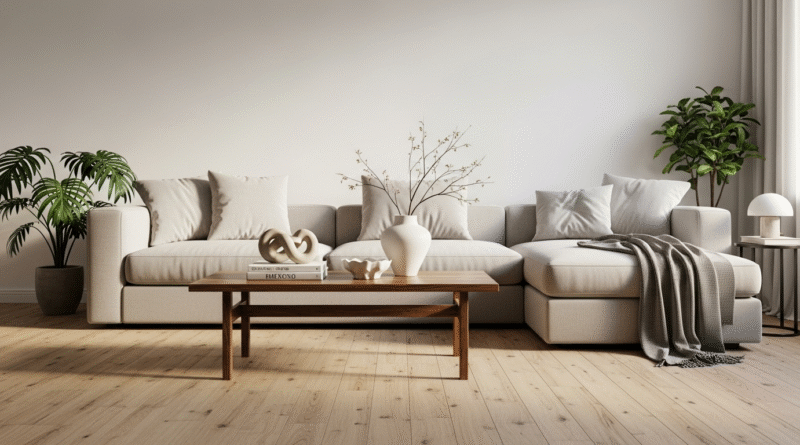
Downsizing Your Furniture: Minimalist Living Room Makeover
A cluttered living room can feel chaotic, overstimulating, and crowded—even if it’s filled with things you once loved. Downsizing your furniture the minimalist way isn’t about creating a cold, empty space. It’s about making room for clarity, comfort, and calm.
Here’s how to transform your living room by removing excess, rethinking layout, and embracing intentional design.
1. Visualize the Purpose of Your Space
Minimalism starts with asking:
- How do I want to feel in this room?
- What activities happen here (e.g., reading, resting, conversation)?
- What items are supporting or hindering that experience?
Your space should reflect your life, not just Pinterest trends.
2. Remove What You Don’t Use Often
If you’re not sitting on it, using it, or loving it, it might be time to let it go. Start by evaluating:
- Extra chairs or side tables
- Redundant shelves or bookcases
- Outdated decor or storage furniture
Downsizing is about function, not filling space.
3. Keep a Clear Floor Plan
One of the simplest ways to create spaciousness is to expose the floor. Aim for:
- Open walkways between furniture
- Floating your couch away from walls if it creates better flow
- Removing furniture that creates visual or physical blockages
Space to move = space to breathe.
4. Choose Multi-Functional Furniture
Simplify with pieces that do more:
- Ottomans with storage
- Sofas that double as guest beds
- Coffee tables with shelves or drawers
Fewer pieces, greater flexibility.
5. Use a Neutral, Cohesive Color Palette
A simplified color scheme can instantly make your room feel calmer. Try:
- Soft neutrals (white, beige, gray, taupe)
- One or two accent colors
- Natural materials like wood, linen, and rattan
Color simplicity reduces visual noise.
6. Display Less, But More Meaningfully
Instead of filling every surface, curate:
- One or two meaningful items per shelf
- A single art piece or gallery wall
- Plants or candles to bring warmth without clutter
White space is a design element, too.
7. Store Items Out of Sight
Clutter attracts clutter. Minimalists rely on:
- Closed storage (drawers, cabinets, baskets)
- Hidden cords and simplified electronics
- Seasonal decor rotation instead of displaying everything year-round
“Out of sight, out of stress.”
8. Let Go of Guilt-Filled Pieces
Sentimental furniture that no longer fits your space can be released with grace. Ask:
- Would I buy this today?
- Is this helping me create the home I want now?
- Can I repurpose, donate, or pass it on to someone else?
Honoring the past doesn’t mean clinging to it.
Final Thoughts: Create Space to Live, Not Store
A minimalist living room isn’t empty—it’s full of intention. When you downsize your furniture, you make room not just for design, but for presence, conversation, and comfort. Less furniture = more life.
Open up. Let go. And lounge in peace.