
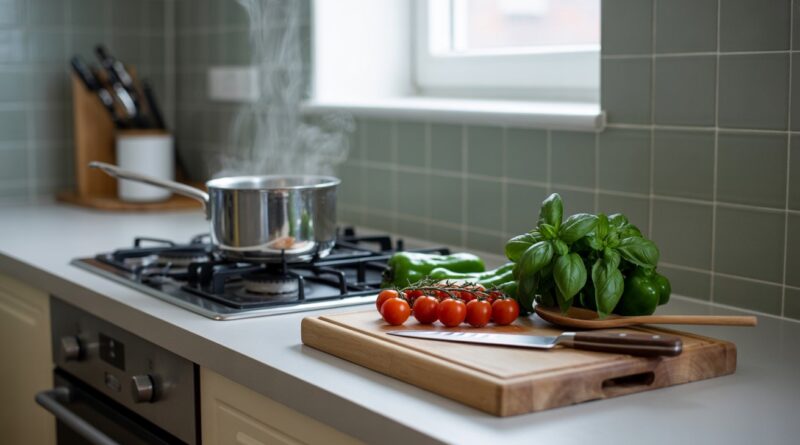
Minimalist Cooking: How to Simplify Your Meals and Kitchen Habits
Cooking doesn’t have to be complicated to be satisfying. In fact, minimalist cooking embraces simplicity—not just in ingredients, but in tools, routines, and mindset. It’s about nourishing yourself without stress, waste, or overwhelm. Whether you’re a beginner or a seasoned home cook, simplifying your approach to meals can save time, reduce clutter, and make cooking enjoyable again.
Here’s how to adopt minimalist cooking and transform your kitchen habits.
1. Cook with Fewer Ingredients
Delicious meals don’t need dozens of components. Minimalist cooking relies on:
- Fresh, whole ingredients
- Simple seasoning (salt, pepper, olive oil, lemon, herbs)
- Quality over complexity
- Learning core flavor pairings
Aim for 5–7 ingredients per meal. You’ll cook faster, waste less, and still eat well.
2. Build a Weekly Meal Plan
Planning reduces decision fatigue and helps avoid food waste. Try:
- Creating a simple rotation (e.g., pasta night, soup night, stir-fry night)
- Preparing a few ingredients in bulk (grains, roasted veggies, proteins)
- Shopping with a list to avoid impulse buys
A minimalist meal plan brings structure while leaving space for creativity.
3. Reduce Your Kitchen Tools
You don’t need a gadget for everything. Most meals can be made with:
- A sharp knife
- A cutting board
- A saucepan and a frying pan
- A baking sheet
- Measuring cups/spoons
Let go of bulky appliances and one-use tools unless you truly use them.
4. Cook One-Pot or One-Pan Meals
Minimalist meals = minimal cleanup. Some easy examples:
- Stir-fries
- Sheet pan dinners
- Grain bowls
- Soups and stews
- Salads with protein and a simple dressing
Less mess, less time, and just as satisfying.
5. Repeat What Works
You don’t need to reinvent dinner every night. Minimalist cooking embraces:
- Repetition of your favorite meals
- A few go-to recipes that are quick and comforting
- A capsule pantry with ingredients you always use
The fewer decisions you make, the more enjoyable cooking becomes.
6. Declutter Your Pantry and Fridge
Keep only what you use regularly. For example:
- Grains: rice, quinoa, oats
- Proteins: beans, lentils, tofu, eggs
- Seasonings: olive oil, garlic, lemon, basic spices
- Veggies: fresh or frozen staples
Organize items in clear containers. Know what you have to avoid waste.
7. Practice Mindful Eating
Minimalism doesn’t end when the cooking does. Slow down to:
- Savor your food
- Eat without screens
- Appreciate the effort you made
- Be present in the moment
Cooking becomes more meaningful when it’s not rushed or distracted.
8. Embrace Simple, Seasonal Eating
Eating with the seasons simplifies choices and supports sustainability. In-season produce is:
- More affordable
- Tastier
- Often locally available
Let the farmers’ market or produce aisle guide your next meal.
9. Limit Food Waste
Minimalist cooking values intention. Reduce waste by:
- Repurposing leftovers into soups, wraps, or salads
- Freezing extra portions
- Storing ingredients properly
- Using what you have before buying more
A clean kitchen and a clear conscience.
Final Thoughts: Nourishment Through Simplicity
Minimalist cooking isn’t about cutting flavor—it’s about cutting excess. With a few good ingredients, some essential tools, and simple routines, you can create meals that nourish your body and calm your mind.
Eat well. Cook simply. And let your kitchen support your peace—not your stress.